With a picture of the events of the night of 24th March 1954, here we attempt to piece together and recreate the chain of actions that lead to the accident.
Simulation
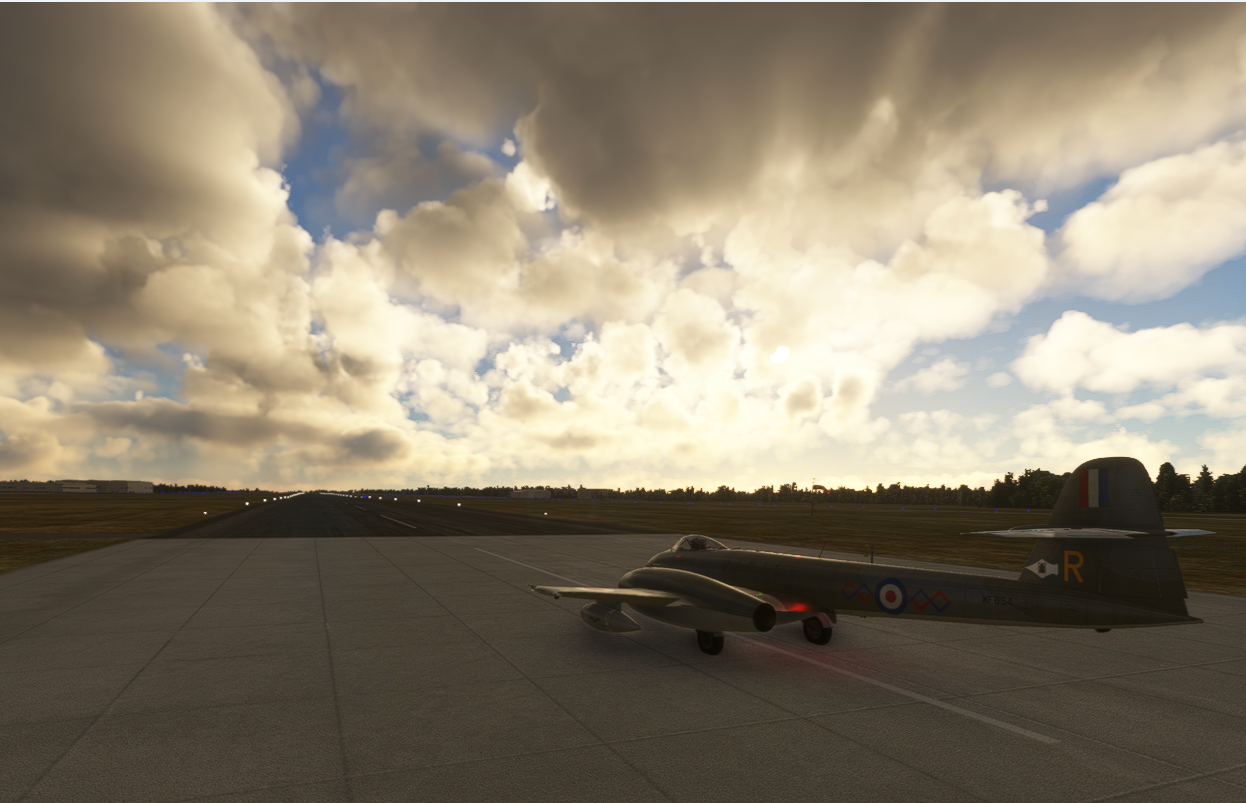
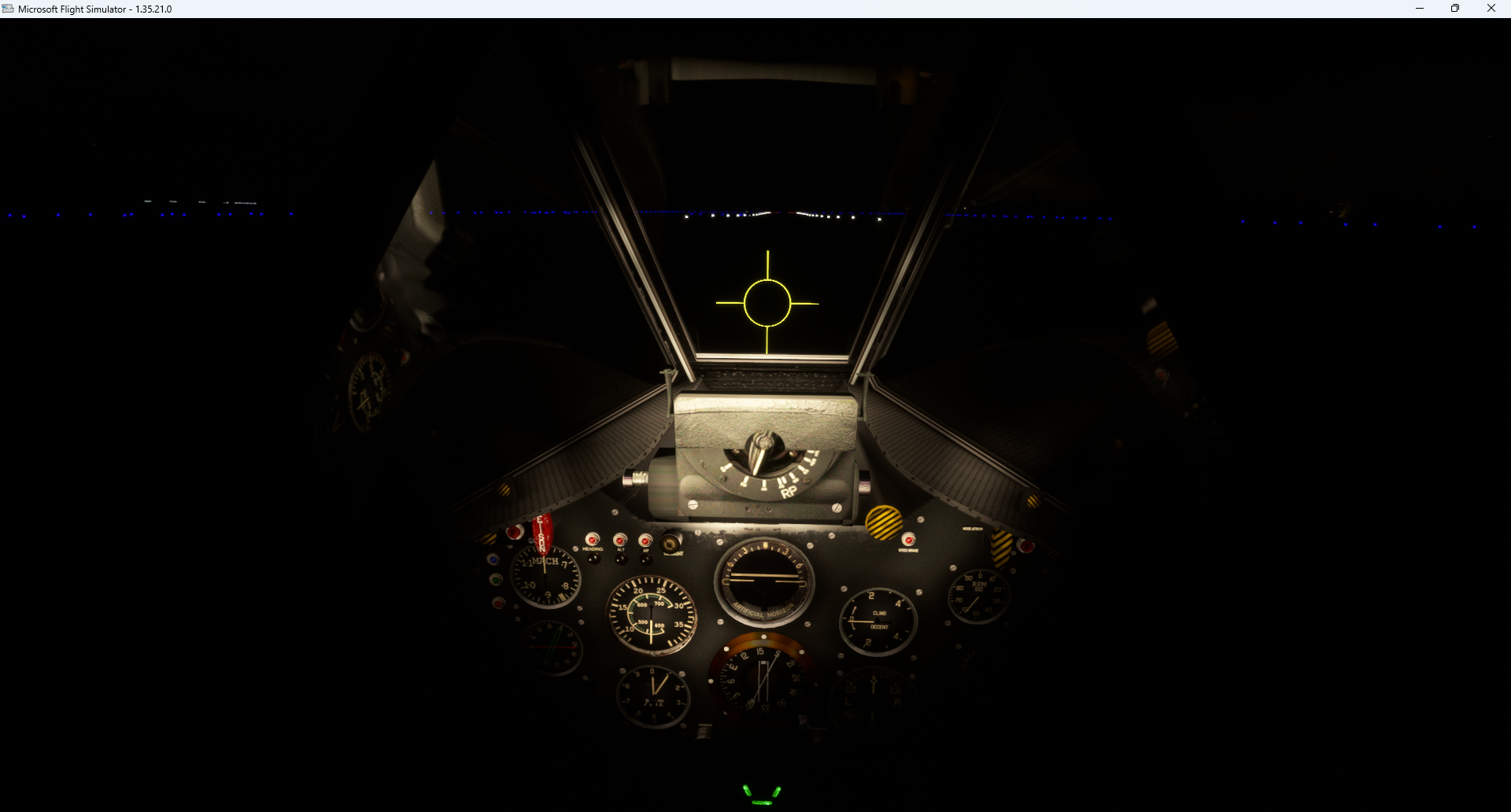
Navigation Simulation
The investigation focuses on the operation of the Meteor in IFR. Ideally each navigation option should be tested experimentally in the simulator. This will reveal the ease of operation and accuracy of each of the navigation methods. Understanding the efficacy of each method of navigation will not only help comprehend the task of operating the Meteor in IFR, but also perhaps give some insight into which systems might have been operational at various stages of the flight.
GCA Approach
With a clear understanding of the QGH Approach procedure, an evaluation of how the flight should have unfolded had the presumed R/T failure not occurred. What will also be interesting is using the Weather conditions on the night, if the recovery could have proceeded without comms?
Radio Navigation
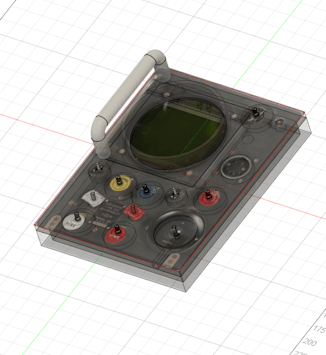
The GEE Navigation system provided not only a means of navigation, but also could be used as an approach aid. It will be interesting to see if this system can be replicated in the simulator and how successfully it could be employed in this role.
One of the difficulties is that nothing exists today that would allow the experience of navigating using Gee to be reproduced. Using parts from the real aircraft, we have therefore embarked on a project to bring this to life!
Radar Navigation
An ambitious element to add to the simulation would be a radar display equivalent to the Airbourne Radar of the Meteor.
Celestial Navigation
Celestial navigation was one of the cornerstones of navigation in the pre-GPS era that the NF11 night fighter was developed in. The subject of future study!
 Gloster Meteor WD778